
PCOS
Polycystic Ovary Syndrome
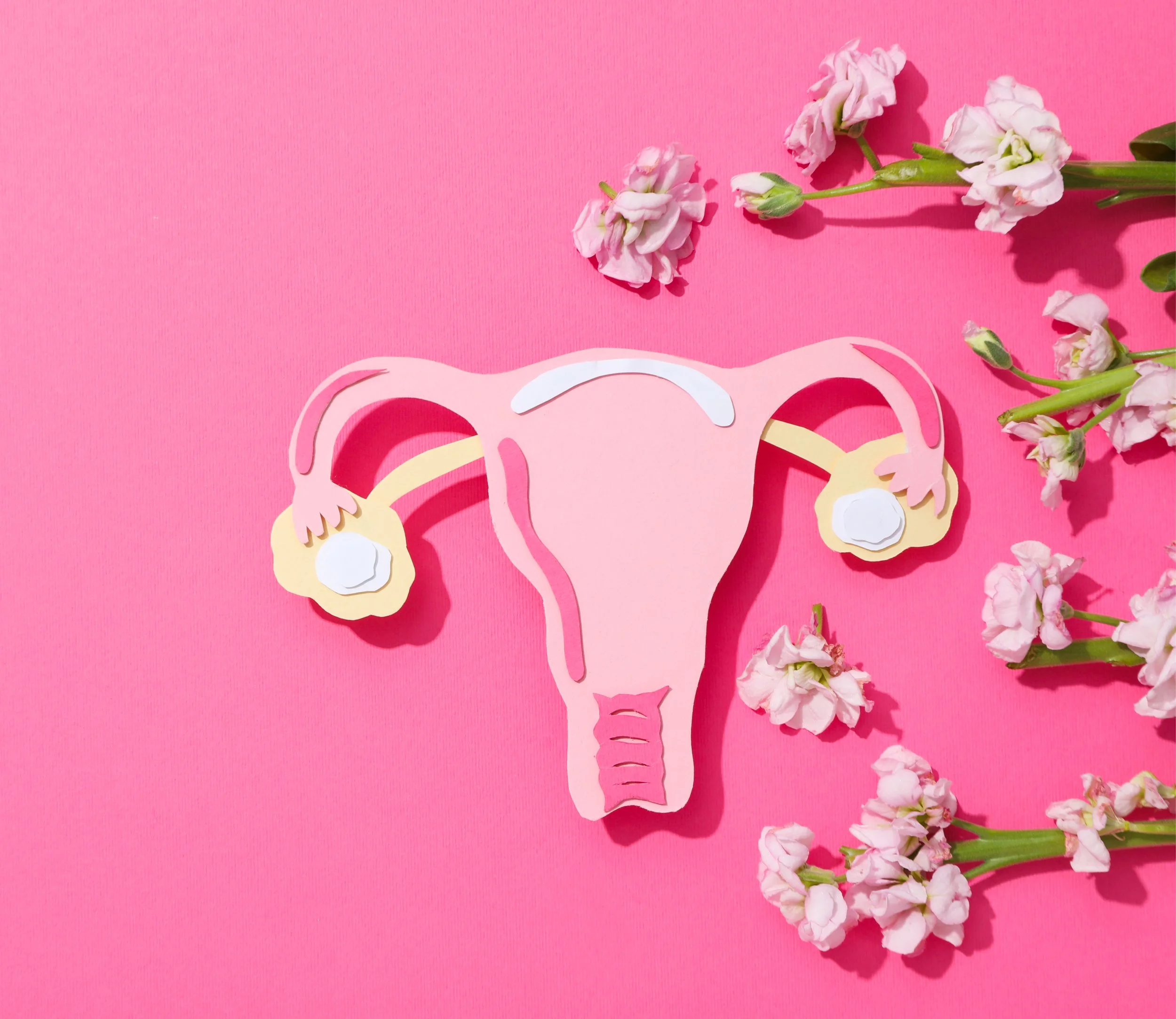
Polycystic Ovary Syndrome (PCOS) is one of the most common endocrine conditions affecting women in Canada.
While PCOS is often categorized and treated as a female hormonal disorder, hormones represent just one aspect of a far more complex condition.
Irregular menstrual cycles
Weight gain
Difficulty losing weight
Acne
Abnormal Hair Growth
Thinning hair on the scalp
Fatigue
Brain fog
Mood swings
Darkened patches of skin or skin tags
Difficulty conceiving
Does this sound familiar?
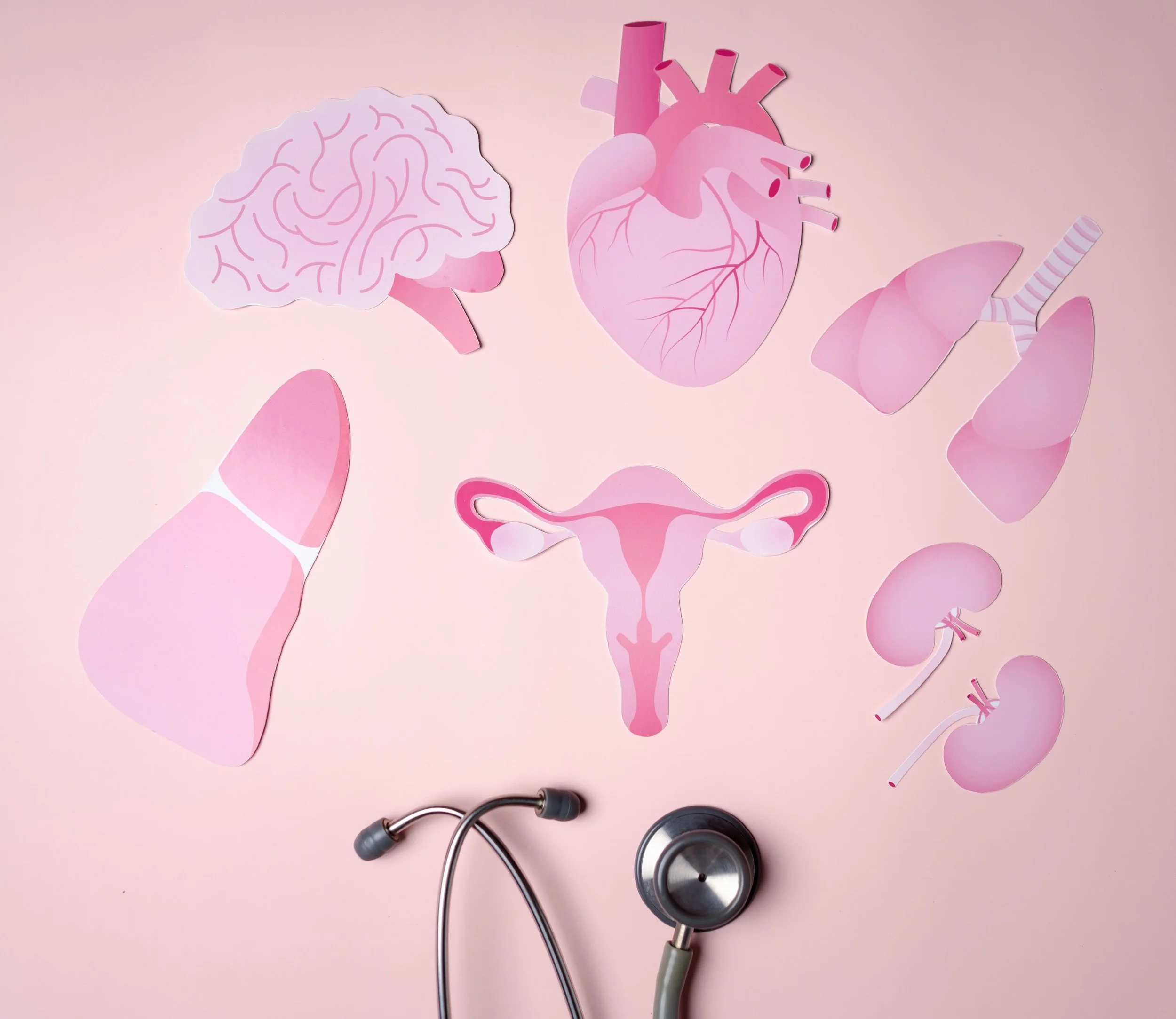
PCOS is a multi-system condition and can impact:
-
PCOS affects how hormones are produced, signaled, and regulated, including possible changes to sex hormones (estrogen, testosterone, progesterone), insulin, and stress hormones.
-
Research suggests that up to 50–70% of women with PCOS experience insulin resistance. This can increase the risk of blood sugar imbalance, fatigue, difficulty with weight regulation, and, over time, type 2 diabetes if not addressed.
-
Disrupted hormone signaling can lead to irregular ovulation, unpredictable or absent periods, and changes in ovarian function, which can contribute to difficulty conceiving
-
Hormonal and metabolic changes can appear on the skin and hair, including acne, excess facial or body hair, thinning hair on the scalp, skin tags, or darkened areas of skin, especially in skin folds.
-
Over time, metabolic and inflammatory patterns associated with PCOS may increase risk factors related to heart and blood vessel health, including blood pressure and cholesterol.
-
PCOS is associated with higher rates of anxiety, low mood, and emotional regulation challenges, often linked to hormone shifts, blood sugar changes, and ongoing stress on the body.
Treatment: A Guided, Whole Body Approach to PCOS
(And no, birth control is not your only option)
Many people seek support for PCOS because of one or two frustrating symptoms such as acne, hair changes, irregular cycles, or difficulty with weight regulation. Addressing what matters most to you is always a priority.
While individual symptoms can sometimes be managed on their own, understanding what may be causing those symptoms and how different systems in the body are involved allows care to be more thoughtful and supportive over time. This is where a guided approach matters.
Step 1 PCOS-Focused Assessment
Care begins with a focused assessment to understand how PCOS is presenting for you. This includes a detailed review of cycle history, ovulation patterns, symptoms such as acne or hair changes, metabolic concerns, stress load, and relevant health history.
Step 2 Targeted Clinical Testing
Clinical testing is used to clarify patterns and establish baselines that help guide care. This commonly includes assessment of insulin regulation, hormone balance, ovulatory markers, adrenal patterns, inflammation, and nutrient status. Results are used to inform decision making and track changes over time.
Step 3 Begin Foundational PCOS Support
Foundational support begins after the initial assessment and is guided by symptoms, clinical findings, and existing health data.
Current clinical guidelines recognize that certain nutrition and exercise strategies commonly recommended for women with regular menstrual cycles may not be appropriate for all individuals with PCOS. For this reason, foundations such as nutrition, movement, sleep, and stress management are approached through a PCOS-specific lens.
Step 4 Review, Refine, and Personalize
As lab results and symptom response to foundational changes are reviewed, greater clarity is gained around your specific PCOS pattern. Based on this information, a more individualized and stepwise plan is outlined. This allows care to move forward in a focused and realistic way, designed to set you up for long-term success
Step 5 Ongoing Support and Adjustment
Follow-up visits are used to monitor symptom trends, cycle changes, and overall progress. Care is adjusted as needed to support stability, adaptability, and long-term health
A Clear, Step by Step Process Guided by Dr. Sam, ND
PCOS
Frequently Asked Questions
-
No. PCOS is diagnosed using established criteria, most commonly the Rotterdam criteria.
A diagnosis is considered when two of the following three features are present:
Irregular or absent ovulation
Elevated androgen levels or signs of elevated androgens, such as acne or excess hair growth
Presence of multiple cysts on ovaries
This means many people with PCOS do not have visible cysts, and also that having cysts alone does not confirm PCOS
-
Hormonal birth control can help manage some symptoms associated with PCOS, particularly those related to elevated androgens such as acne or excess hair growth. However, it does not address potential underlying contributors such as insulin dysregulation, metabolic patterns, or ovulatory signaling.
When birth control is discontinued, hormonal patterns often return to their previous baseline. This can become especially relevant when fertility goals arise, as ovulation may remain inconsistent once the medication is stopped.
-
Yes. You do not need a confirmed PCOS diagnosis to book an appointment. A comprehensive assessment is used to explore what may be contributing to your primary concerns.
While PCOS is one possible explanation, acne or hair loss can also be influenced by many other factors. The goal of care is to understand what is driving your symptoms and determine appropriate next steps, whether PCOS is involved or not.